
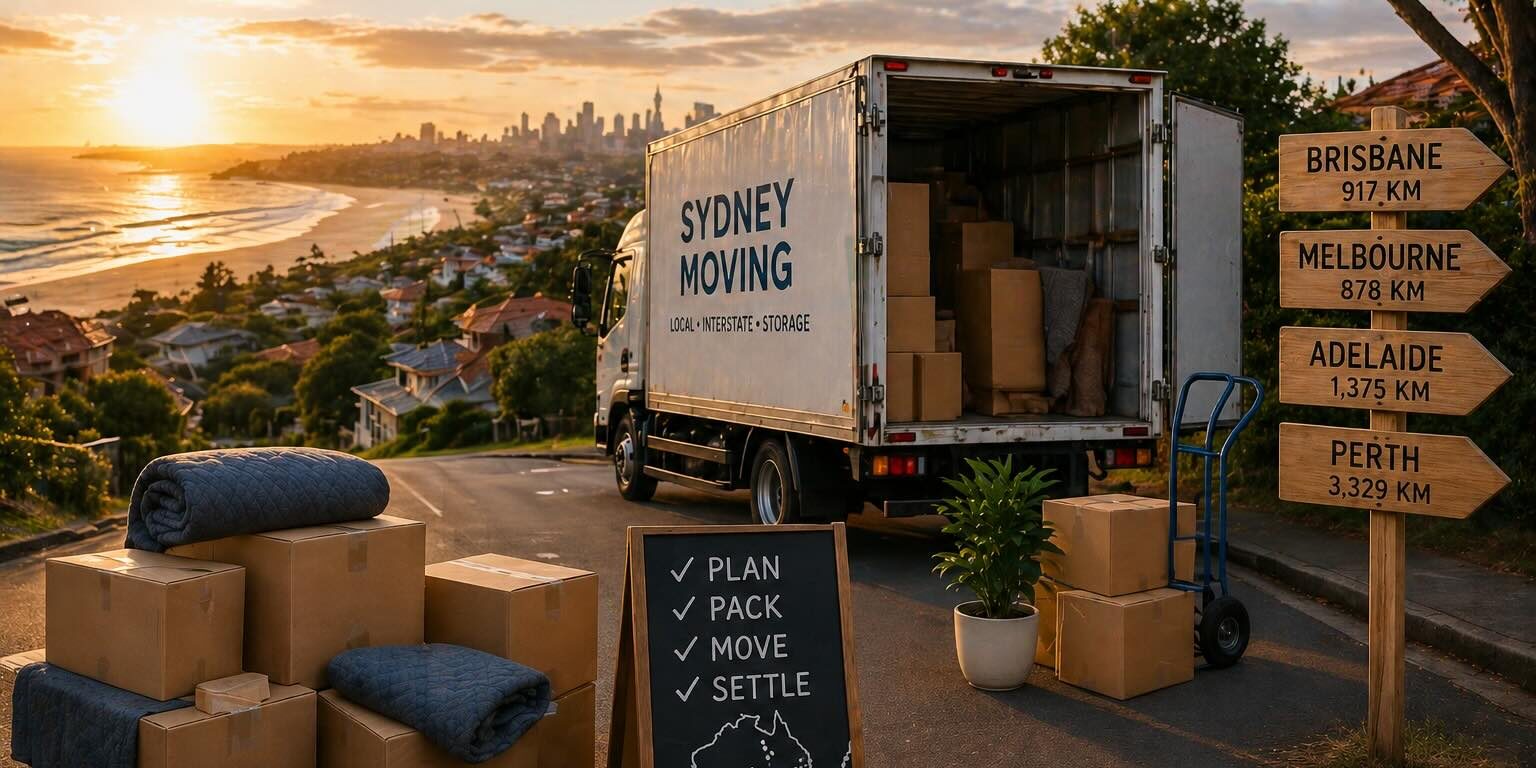
Moving from the Eastern Suburbs Interstate: Complete Planning Guide
Key Highlights
This guide explains how residents of Sydney’s Eastern Suburbs can plan a successful interstate move, covering everything from costs and logistics to settling into a new state. Whether you’re relocating from Bondi, Coogee, Randwick, Double Bay, Rose Bay, or Cronulla, careful planning makes all the difference.
- Interstate moving costs from the Eastern Suburbs typically range from $2,500 to $6,000 for a three-bedroom home, with total expenses reaching up to $11,000 when including flights and insurance
- Flexible scheduling can lower interstate moving costs by up to 30 percent by allowing removalists to optimise routes and truck space
- Booking your removalist 6 to 8 weeks in advance is essential, especially during peak periods like summer or school holidays
- Access conditions like narrow streets, lift bookings, and parking restrictions significantly impact logistics and timing in premium Eastern Suburbs locations
What You Need to Know About Eastern Suburbs Interstate Moves
Moving interstate from Bondi, Coogee, Randwick, Double Bay, Rose Bay, or Cronulla involves unique challenges that general moving guides rarely address. This guide covers the full scope of planning, costs, logistics, and settling into your new state, with specific attention to the access issues, premium property considerations, and lifestyle factors that affect Eastern Suburbs residents.
If you’re considering relocating from Sydney’s Eastern Suburbs to another state, you’re likely weighing up housing affordability, lifestyle changes, or career opportunities. The median house price in Sydney is projected to exceed $1.88 million by 2026, making it Australia’s most expensive city. By comparison, Brisbane’s cost of living is approximately 14 percent lower than Sydney’s, with median house prices around $883,000.
For a direct answer on costs: professional interstate removalists for a three-bedroom house can cost between $3,000 and $6,000, with total expenses reaching up to $11,000 when including additional services like insurance and temporary accommodation.
From this guide, you’ll gain:
- Accurate cost estimates for moves to Melbourne, Brisbane, Adelaide, and Perth
- A practical timeline for managing Eastern Suburbs access restrictions and building requirements
- Solutions for the specific challenges of high-rise apartments and narrow street access
- Clear steps for settling into your new location with minimal disruption
Understanding Eastern Suburbs Interstate Moving
An interstate move means relocating to a different Australian state. From the Eastern Suburbs, this typically involves leaving premium coastal or high-amenity suburbs where housing costs are among the highest in the country. Data from the NSW Productivity Commission shows that income minus housing costs is nearly 8 percent higher in Melbourne than in Sydney, which explains why housing affordability is the top reason people leave their state according to the Australian Government’s population reports.
Relocating from Sydney often involves trading high-density urban living and premium property prices for more affordable housing and a relaxed lifestyle. Beyond the financial calculations, interstate relocation from the Eastern Suburbs requires balancing typical logistics with state-specific regulations and local street challenges that can significantly impact your moving day.
Popular Interstate Destinations from Eastern Suburbs
Sydney to Melbourne moves cover approximately 880 kilometres and remain the most common interstate route. Melbourne attracts families seeking lower ongoing costs while maintaining access to excellent schools, public transport, and medical care. The average cost to move a 1 bedroom home from Sydney to Melbourne ranges from $1,890 to $2,898, while a 2-3 bedroom home typically costs between $3,645 and $6,075.
Sydney to Brisbane relocations appeal to those seeking warmer climate and more affordable housing. The distance of roughly 920 kilometres means similar transit times to Melbourne moves, though costs for a 2-bedroom apartment typically range from $2,000 to $4,500.
Sydney to Adelaide moves cover about 1,400 kilometres, with costs for larger households running between $5,000 and $7,500. Perth sits approximately 4,000 kilometres away, making it the longest distance move from the Eastern Suburbs. For mid-sized homes, full service moves to Perth cost between $6,000 and $12,000.
Unique Challenges of Eastern Suburbs Moves
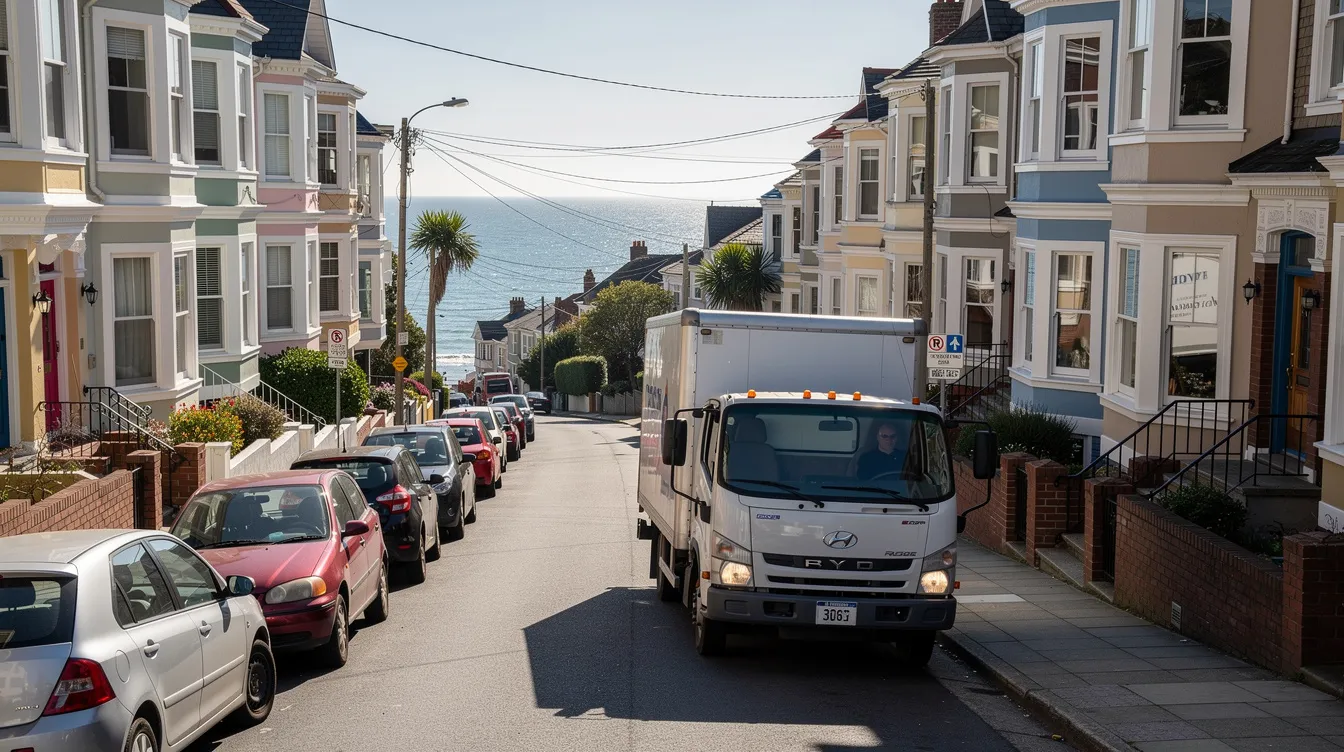
Access issues in Bondi and Coogee create complications that standard removalist quotes don’t always account for. Narrow streets mean large removal trucks sometimes can’t reach your door, requiring smaller vehicles to shuttle items to a main truck parked further away. Parking restrictions and permit requirements add another layer of complexity on moving day.
High-rise apartment complexes in Randwick and Double Bay require lift bookings well in advance. Building management typically limits moving to early morning time windows, and fees often apply. Missing your allocated slot can delay your entire interstate move by a day or more.
Premium suburb considerations in Rose Bay and Double Bay include handling high-value artwork, antiques, wine collections, and specialised furniture. Transit insurance becomes essential rather than optional, and climate-controlled transport may be necessary for temperature-sensitive items. Access conditions at both the pickup and delivery addresses significantly impact the logistics of moving, including factors like staircases, lifts, and narrow streets.
Planning Your Eastern Suburbs Interstate Move
Creating a detailed plan for your move, including scheduling transport and packing times, is essential for a smooth transition to a new city. The planning phase determines whether your interstate relocation runs smoothly or becomes unnecessarily stressful.
Timeline and Booking Considerations
It is recommended to secure an interstate removalist 6 to 8 weeks in advance to ensure better rates and availability during peak moving times. Booking your removalist well in advance is crucial, especially during peak periods like summer or school holidays, to secure the best rates and availability.
School holidays significantly impact Eastern Suburbs families planning interstate moves. If you have children enrolled in local schools, coordinating the move with term breaks requires earlier planning. Peak season pricing and reduced availability during December and January can add hundreds to your final bill.
Flexible scheduling can lower interstate moving costs by up to 30 percent, as it allows removalists to optimise routes and truck space. If your settlement dates allow flexibility, consider backloading services where your belongings share truck space with other moves heading the same direction.
Volume Assessment and Decluttering
Decluttering your home before an interstate move can significantly reduce costs, as moving fewer items lowers transport expenses. Eastern Suburbs properties often feature compact layouts with quality furniture rather than sprawling contents, but bulky designer pieces can quickly add to your volume.
Typical volumes for Eastern Suburbs properties:
- One-bedroom apartment: 10 to 20 cubic metres
- Two-bedroom home: 25 to 40 cubic metres
- Three-bedroom home: 40 to 60 cubic metres
- Four or more bedrooms: above 60 cubic metres
Interstate moving costs are influenced by factors such as distance, load size, access conditions, and additional services like packing and storage. Getting your volume assessment right at the quoting stage prevents surprises on moving day.
Service Options and Add-ons
Professional movers offer various packing services to suit different budgets. Packing services can reduce the risk of damage during transport, and using sturdy boxes and proper packing materials is essential for a smooth moving process. Options include full packing where the team handles everything, partial packing for selected rooms, and fragile items only packing for your most valuable belongings.
Some households prefer a mix of both DIY and professional services, such as packing their own boxes while hiring movers for loading and driving. A do-it-yourself move can be more affordable, especially for small households, but it requires managing heavy lifting, secure packing, and long-distance driving.
Secure storage solutions help when settlement dates don’t align. If your new house isn’t ready when you need to leave, short-term storage prevents the stress of coordinating perfect timing. Vehicle transport services handle multiple car households where driving the Hume Highway isn’t practical for everyone.
Interstate Moving Process and Logistics
Interstate moves require careful scheduling of transport, packing, and delivery times, especially for longer distances that may take one to two days to complete. With proper preparation, even long distance moves from the Eastern Suburbs can proceed without major complications.
Pre-Move Preparation Steps
- Secure quotes and book your removalist company 6 to 8 weeks ahead. Request a free quote from at least three providers and compare what’s included in their services.
- Arrange building permits and lift bookings for Randwick, Double Bay, or Rose Bay apartments. Contact your building management to confirm available time windows and any fees.
- Complete change of address notifications and utility transfers. It is essential to disconnect and connect utilities 1 to 2 days before moving to ensure service continuity.
- Organise packing materials and begin non-essential items. Professional packing materials including moving boxes, tape, and protective wrapping reduce damage risk.
- Confirm insurance coverage and document valuable items. Take photographs of antiques, artwork, and electronics before packing.
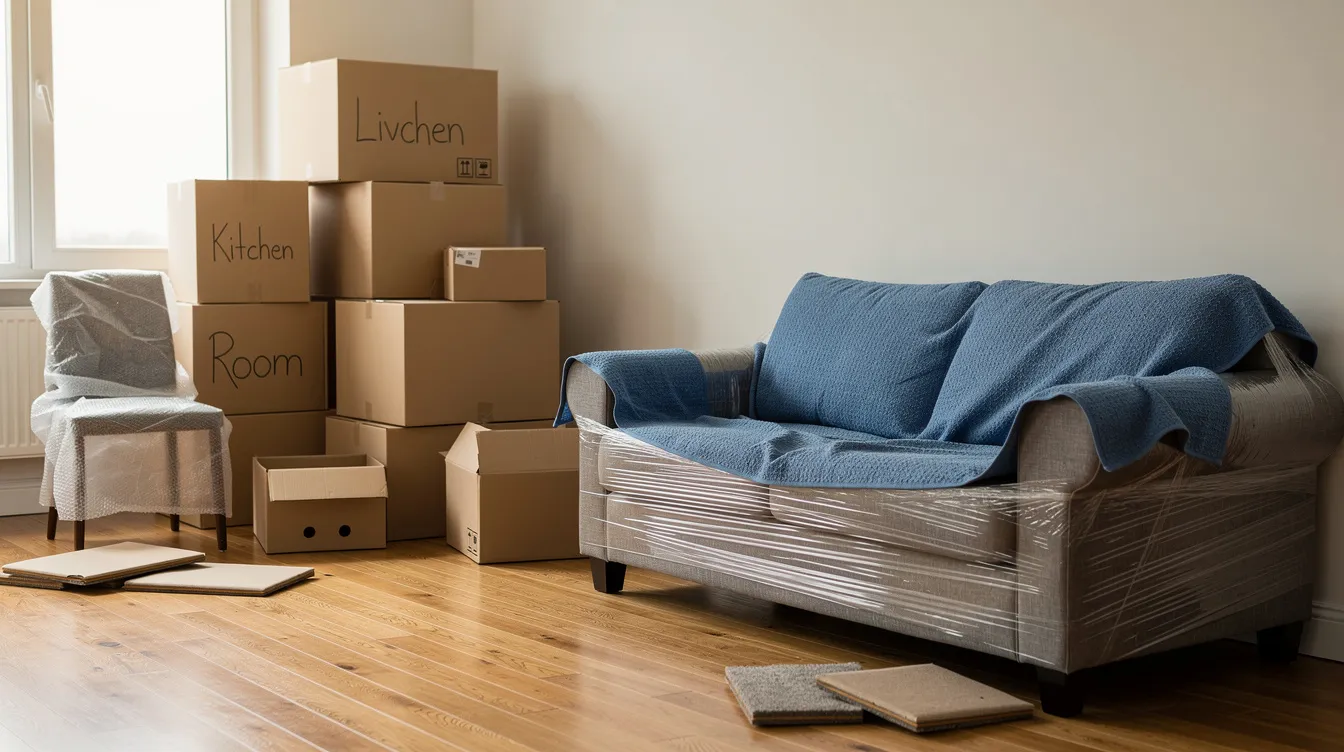
Labeling boxes with both contents and destination room helps facilitate organisation during the move. This simple step saves hours of confusion when unpacking in your new location.
Cost Comparison by Destination
Understanding the relationship between distance, transit time, and cost helps you plan your budget accurately. Interstate moves typically cost between $2,500 and $6,000 for a three-bedroom home, not including additional factors like insurance and temporary accommodation.
| Destination | Distance (km) | Transit Time | 2BR Cost Range | 4BR Cost Range |
|---|---|---|---|---|
| Melbourne | 880 | 1-2 days | $3,000-$4,500 | $5,000-$7,000 |
| Brisbane | 920 | 1-2 days | $2,000-$4,500 | $4,500-$6,500 |
| Adelaide | 1,400 | 2-3 days | $3,500-$5,500 | $5,500-$8,000 |
| Perth | 4,000 | 4-6 days | $4,500-$7,000 | $8,000-$12,000 |
These ranges reflect professional removalist services with standard inclusions. Hidden costs like premium item handling, storage, and rush fees can push final bills higher. Always clarify what’s included before signing.
Common Challenges and Solutions
Eastern suburbs removals present specific obstacles that require practical solutions. Addressing these issues before moving day prevents costly delays and reduces stress during an already demanding process.
Building Access and Parking Issues
Cronulla and Coogee narrow street access often requires shuttle services. Best removalists familiar with these suburbs know which streets accommodate large vehicles and which require smaller trucks for the first leg. Plan ahead by confirming your removalist has experience in your specific suburb.
Lift bookings for Rose Bay and Double Bay high-rises must be secured through building management. Request your time slot as early as possible, ideally 4 to 6 weeks before your move date. Double check the allocated hours and ensure your removalist team knows the exact timing.
Loading zone permits and timing restrictions affect most premium Eastern Suburbs streets. Contact your local council about temporary parking permits. Some councils require applications submitted days in advance, so factor this into your timeline.
Premium Item Protection
Hiring professional movers can reduce stress during an interstate relocation, as they are experienced in packing, lifting, and transporting belongings safely over long distances. Transit insurance becomes essential when moving high-value artwork, antiques, or designer furniture common in Eastern Suburbs homes.
Climate-controlled transport protects wine collections and electronics during long distance moves. Summer moves to Perth along inland routes expose items to extreme temperatures, making temperature management worth the additional cost.
Document all valuable items with photographs and written descriptions before packing. This documentation proves essential if you need to make insurance claims after arrival.
Settlement and Timing Coordination
Settlement timing issues create headaches when your new place isn’t ready. Secure storage solutions bridge the gap, though they add to overall costs. Budget for at least one week of storage as contingency.
Interstate moves can lead to social and emotional challenges, such as adjusting to a new community and finding new healthcare providers. Research your new neighbourhood before moving to understand local amenities and plan your first weeks.
Strict biosecurity rules exist for moving to Western Australia or Tasmania, particularly regarding plants, soil, certain foods, and wooden furniture. Quarantine restrictions vary by state and may affect the movement of items you hadn’t considered. Check state-specific requirements well before your move date and arrange any necessary treatments or documentation.
Most Australian states require updating driver’s licences and re-registering vehicles within 14 to 28 days. Add this to your post-move checklist alongside finding a new local GP and enrolling children in schools.
Your Interstate Moving Timeline and Next Steps
Relocating from the Eastern Suburbs to another state can offer a lower cost of living and reduced traffic compared to Sydney. With careful planning and realistic budgeting, your interstate move can mark the beginning of an exciting new chapter rather than a stressful upheaval.
Different states in Australia have unique rules regarding vehicle registration, utility connections, and school enrollments. Taking time to understand these requirements before you move prevents frustrating delays after arrival.
Follow this timeline to ensure a stress free moving experience:
- Week 1-2: Research sydney removalists and interstate removalist services. Request free moving quotes from multiple providers and compare inclusions.
- Week 3-4: Book services and arrange building permits. Confirm lift bookings and loading zone permits.
- Week 5-6: Begin packing and complete address changes. It is important to notify the Australian Electoral Commission of any address changes promptly after moving.
- Week 7-8: Final preparations including utility disconnections and moving day coordination. Updating your address, arranging utilities, and redirecting mail should be done within the first week after moving to help you settle in more easily.
Once you arrive, unpacking essentials first, such as items for the kitchen and bathroom, can make your new home more comfortable as you settle in. Taking time to explore your neighbourhood after moving can help you build a routine and feel more at home in your new city.
Additional Resources
Building management contact templates help streamline communication with Eastern Suburbs apartment complexes. Prepare a standard email requesting lift booking, loading dock access, and any fees involved.
Change of address checklist for government and utilities:
- Australia Post mail redirection
- Medicare and Centrelink
- Australian Electoral Commission
- State driver’s licence authority
- Vehicle registration
- Banks and superannuation
- Employer and ATO records
Packing supply specifications for interstate transport include double-walled boxes for heavy items, wardrobe boxes for hanging clothes, and specialty containers for fragile items. Professional removalists typically supply materials, but confirm quantities and quality before moving day.
Pet transport and quarantine requirements differ significantly between states. Western Australia and Tasmania enforce the strictest biosecurity rules. Contact the destination state’s agriculture department at least 6 weeks before your move to understand requirements for your specific pets and any treated wooden furniture.